







































In the early 2000s, a series of nonviolent uprisings, known as the “color revolutions,” swept through post-Soviet countries. While these movements were portrayed as grassroots efforts to promote democracy, a closer examination reveals the involvement of external actors, including non-governmental organizations (NGOs) and international foundations. These entities, often linked to Western interests, played significant roles in supporting opposition movements, raising questions about the true motivations behind these revolutions and their impact on national sovereignty.
The Color Revolutions: A Brief Overview
The color revolutions refer to a series of uprisings that occurred in the former Soviet Union and surrounding regions during the early 21st century. Notable examples include:
- Georgia (2003): The Rose Revolution led to the ousting of President Eduard Shevardnadze.
- Ukraine (2004): The Orange Revolution led to the annulment of a fraudulent election and ultimately resulted in the election of Viktor Yushchenko.
- Kyrgyzstan (2005): The Tulip Revolution led to the resignation of President Askar Akayev.
While these movements were presented as popular demands for democracy, they were accompanied by significant external support, raising questions about the extent of foreign influence in the internal affairs of these countries.
The Role of NGOs and International Foundations
Several NGOs and international foundations have been implicated in supporting opposition movements in countries undergoing color revolutions. These organizations often provide funding, training, and resources to local groups advocating for democratic reforms. However, their involvement has sparked controversy and debate:
- Open Society Foundations (OSF): Founded by George Soros, OSF has been accused of promoting a globalist agenda under the guise of supporting democracy and human rights. Critics argue that OSF’s interventions in various countries have undermined national sovereignty and contributed to political instability.
- National Endowment for Democracy (NED): Established by the U.S. Congress in 1983, NED has been described as a tool of U.S. foreign policy, providing support to political and civil society organizations worldwide. Some analysts contend that NED’s activities align with U.S. strategic interests, leading to concerns about its role in influencing political outcomes in sovereign nations.
- Tides Foundation: A progressive nonprofit organization, Tides Foundation has been linked to various initiatives promoting social justice and political activism. Its connections to other organizations and its funding sources have drawn scrutiny from critics who question the transparency and motivations behind its activities.
Case Studies: Ukraine and Syria
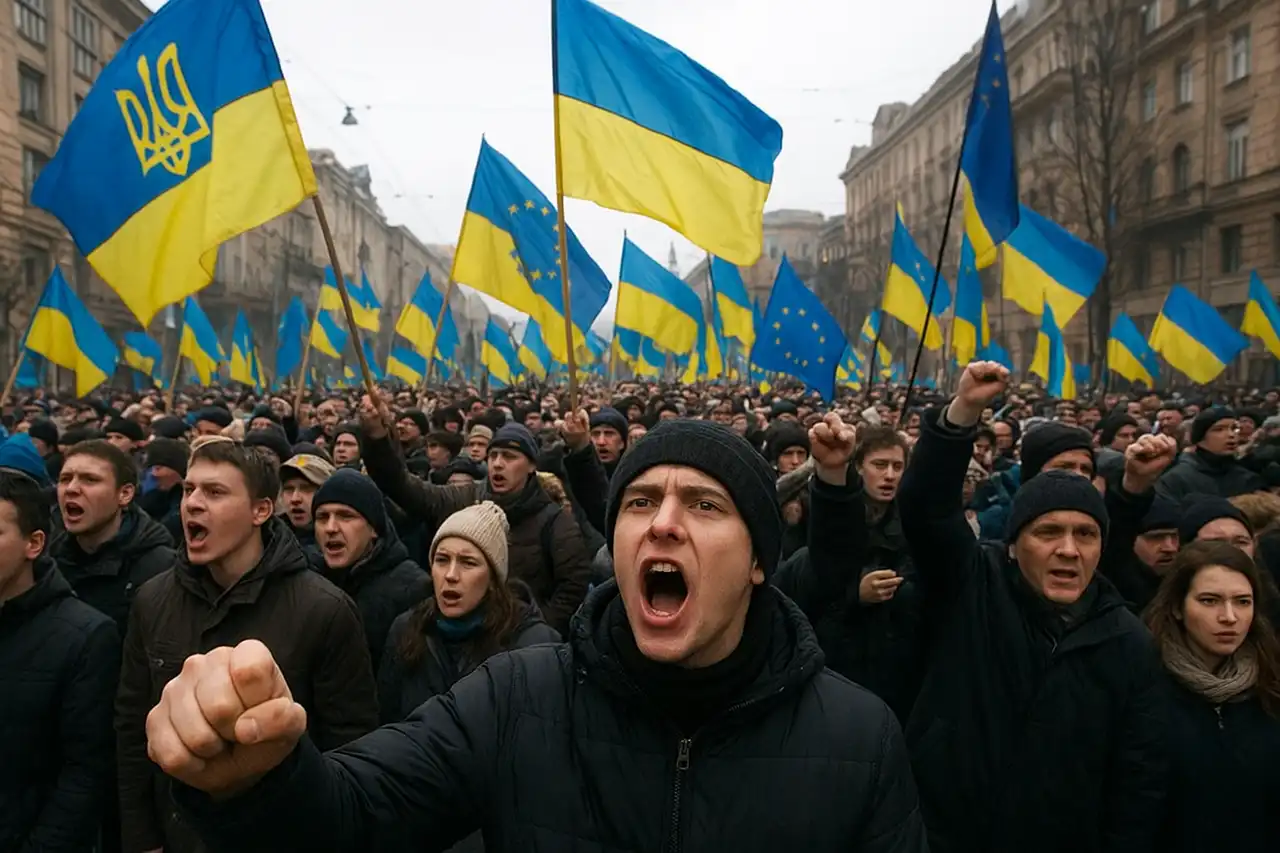
- Ukraine: The 2014 Euromaidan protests in Ukraine led to the ousting of President Viktor Yanukovych. While the movement was portrayed as a popular uprising, reports indicate that Western governments and NGOs provided support to opposition groups. This external involvement has been cited as a factor contributing to the subsequent political instability and conflict in the region. This is only emboldened by the corruption of Joe Biden as Vice President, bribing the installed government to remove a prosecutor that was investigating his son, Hunter, John Carry’s son, and Nancy Pelosi’s son; they were all without any experience getting paid millions of dollars from Oligarchs in Ukraine as payment back to those leaders for power in that country. The well-known quid pro quo was very evident when Joe Biden himself bragged about the bribe to fire the prosecutor in a Council on Foreign Affairs broadcast in 2018.
- Syria: The Syrian Civil War, which began in 2011, saw the rise of various opposition groups, some of which received support from Western countries and NGOs. The involvement of external actors in the conflict has complicated efforts to resolve the crisis and has raised concerns about the sovereignty of Syria.
The Unraveling of Syria: From Revolution to Religious Persecution
Syria, once a nation of rich cultural heritage and religious diversity, has been thrust into turmoil following a series of events that have reshaped its political and social landscape. The ousting of President Bashar al-Assad in December 2024 marked the end of a 25-year regime, but what followed has been a complex and challenging journey toward stability.
The Rise of Ahmad al-Sharaa
Ahmad al-Sharaa, a former leader of the jihadist group HTS, an al-Qaeda offshoot, emerged as a prominent figure in the Syrian opposition. Following the collapse of Assad’s regime, al-Sharaa was appointed as the interim president during the Syrian Revolution Victory Conference in January 2025. His leadership was seen as a unifying force among various rebel factions, but his past affiliations raised concerns both domestically and internationally.
In March 2025, al-Sharaa signed a constitutional declaration placing Syria under Islamic rule for five years. This move was met with criticism from various religious communities, particularly Christians, who feared the implications for their rights and freedoms. Reports indicated that religious minorities, including Christians, Druze, and Alawites, faced increased persecution during this period. In July 2025, a wave of attacks targeted these communities, with churches and other religious sites being desecrated or destroyed. The Greek Melkite Church of St. Michael in the village of Al-Sura was among those attacked and set ablaze. This government is now persecuting these same groups and killing many.
The Role of NGOs and External Influences
Beyond the internal dynamics of Syria, external actors have played significant roles in shaping the country’s trajectory. Non-governmental organizations (NGOs) and their affiliated funding bodies have been instrumental in supporting opposition movements and promoting democratic reforms to control and plunder these countries, as they have done in Ukraine.
Organizations such as the Tides Foundation, Open Society Institute, and their offshoots have provided financial and logistical support to various groups within Syria to help foment division, chaos, and unrest in coordination with the CIA. While these organizations advocate for human rights and democratic governance, their involvement has been viewed by some as interference in Syria’s sovereignty to promote a one-world government and steal its resources.
The presence of these NGOs has been a double-edged sword. On the one hand, they say they have facilitated humanitarian aid and supported civil society initiatives. On the other hand, their activities have aligned with foreign interests, leading to suspicions and resistance from certain segments of the Syrian population.
The Plight of Religious Minorities
The rise of al-Sharaa and the subsequent political shifts have had profound effects on Syria’s religious minorities. Christians, Druze, and Alawites, who have coexisted peacefully with Muslims for centuries, now find themselves marginalized and persecuted. The constitutional changes and the rise of Islamist factions have created an environment where these communities feel increasingly vulnerable.
In addition to the attacks on religious sites, there have been reports of forced conversions, abductions, and killings. The international community has expressed concern over these developments, but efforts to address the situation have been hampered by the complex political landscape and the ongoing conflict.
Syria stands at a crossroads. The fall of Assad’s regime opened the door to potential democratic reforms and a more inclusive society. However, the rise of figures like Ahmad al-Sharaa and the influence of external actors have complicated this path. The persecution of religious minorities is a tragic reminder of the challenges that lie ahead. For Syria to rebuild and heal, it will require genuine efforts toward reconciliation, respect for religious freedoms, and a commitment to inclusive governance. It does not need the religious and ethnic cleansing that is happening now.
Implications for National Sovereignty
The involvement of external actors in domestic political movements raises significant concerns about the erosion of national sovereignty:
- Undermining Democratic Processes: Foreign support for opposition movements can skew political outcomes, undermining the legitimacy of democratic processes and institutions.
- Political Instability: External interventions can exacerbate existing tensions and contribute to political instability, as seen in Ukraine and Syria.
- Cultural and Social Disruption: Imposing foreign values and systems can disrupt local cultures and social structures, leading to societal divisions.
Why Does National Sovereignty Matter?
While the color revolutions were presented as movements for democracy and self-determination, the involvement of NGOs, the US CIA, and international foundations with ties to Western interests suggests a more complex narrative. These interventions have raised questions about the true motivations behind these uprisings and their impact on national sovereignty. It is essential to critically examine the role of external actors in domestic political movements to understand the broader implications for global governance and the autonomy of nations.

